What a Kerf Width Is Actually Measuring
Kerf width is the slot a saw, laser, plasma, or waterjet removes, not the finished part. Measure that slot on a test cut before the batch.
Kerf width is the slot a cutter leaves in wood, sheet metal, acrylic, or a bar. That missing strip is material loss, not the finished size on the drawing. Before a nest, a quote, or a batch, measure the slot on a test cut in the same material, thickness, process, and machine as the job.
Answer box
- What is being counted
- The width of the cut left in the workpiece. ISO 9013:2017 defines kerf width as the width of the cut produced at the upper edge of the cut, or immediately below that edge if the top has melted, as caused by the cutting jet. Opened 29 September 2026.
- What is not being counted
- The finished part size on the drawing, the thickness of a saw plate, the listed size of a nozzle, or the listed size of a beam. Those describe hardware. The slot is what remains after the cut.
- The measurement that decides it
- A caliper reading of the slot on a coupon cut in the same material, thickness, process, and machine. ISO 9013:2017 labels a top kerf width and a bottom kerf width as separate items on one thermal cut.
- What a catalog figure leaves out
- A maker listing can print Kerf and Plate as two different numbers for one blade. Diablo’s D0724X3 page lists Kerf .059 in and Plate .040 in for a 7-1/4 in, 24-tooth ATB circular blade. That page does not state a slot measured in a named sheet on a named saw. Opened 29 September 2026.
- Check before the batch or the quote
- Cut a coupon. Record material, thickness, process, machine, and the measured slot. If one of those four facts is missing, leave the width blank on the job record.
- Last checked
- 29 September 2026
The slot the cutter takes out of the stock
A toothed saw does not part stock along a line with no thickness. The teeth remove a strip and turn it into chips or dust. That strip is the loss the nest has to reserve between finished pieces. The part that ships is what is left after the strip is gone. The dimension on the drawing is the part. The kerf is the gap.
ASME B94.51M-1999, which specifies metal-cutting band saw blades, names the extreme distance between opposite set teeth the overall set, and it states that overall set determines the overall width of cut. The same page defines tooth set as the projection of the teeth from the side of the blade to provide cutting clearance. Band width in that standard is a different figure: the size of the band from the toothed edge to the back. A reader can point at three things that are not interchangeable: the body of the blade, the set of the teeth, and the slot left in the bar or the sheet.
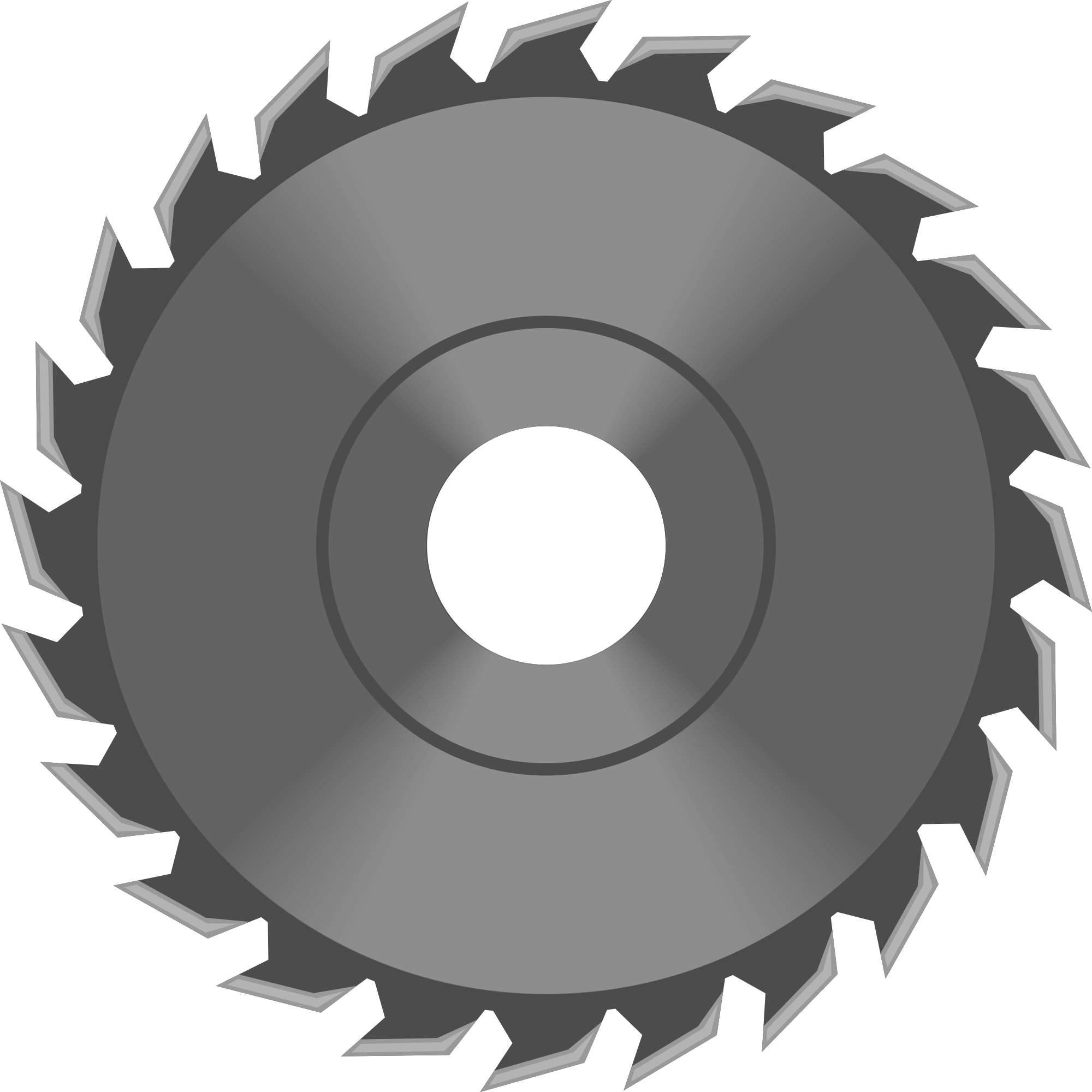
A circular blade shows the same split. The steel disc is the plate. The teeth stand proud of that plate so the body does not bind in the cut. A maker may print a kerf column next to a plate column. That kerf column is a catalog figure for the consumable. It is not a measurement of the slot in a named board on a named saw after a real feed and a real arbor.

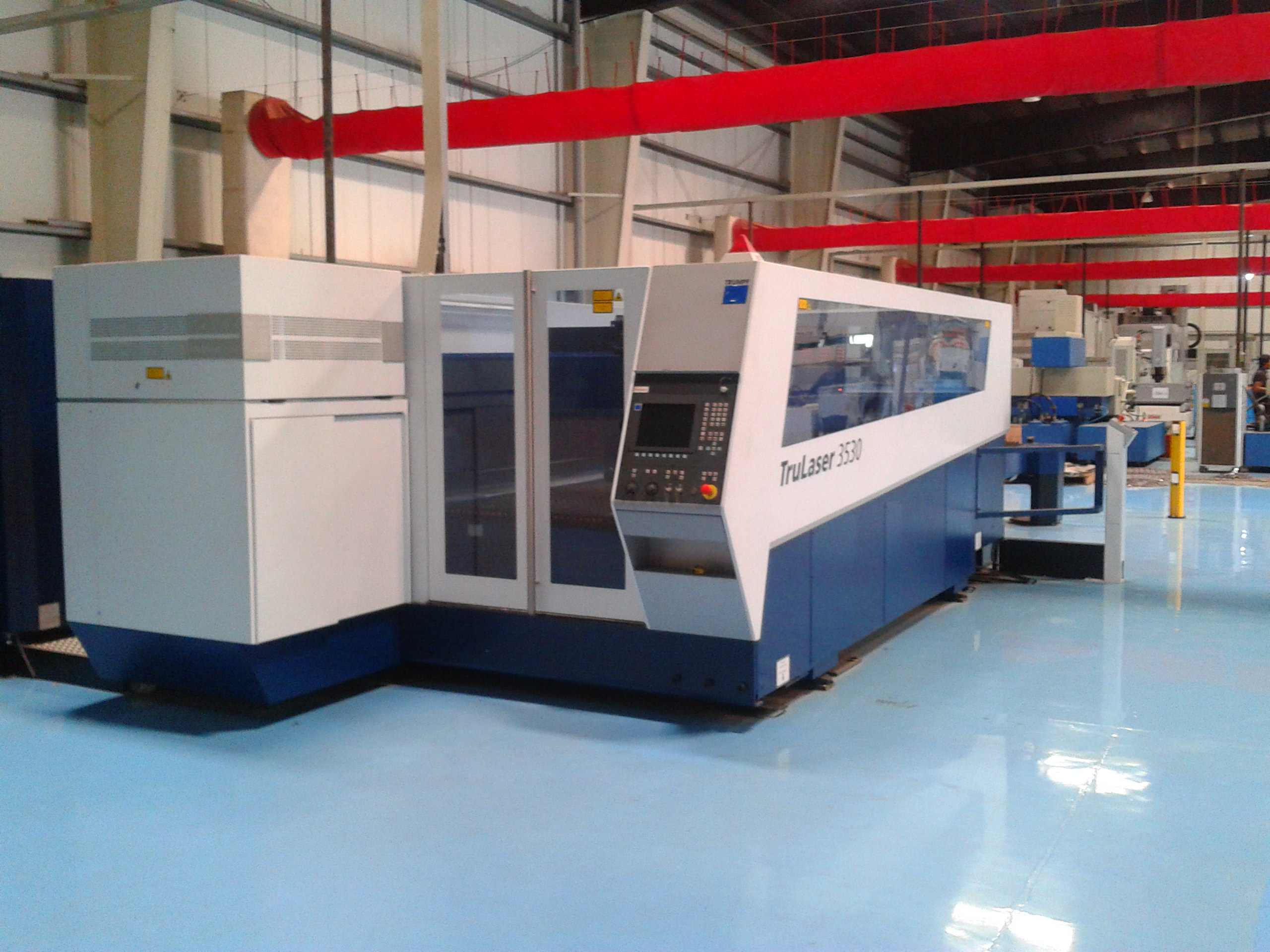
A laser, a plasma arc, and a waterjet do not use a toothed plate, but they still remove a strip. ISO 9013:2017 classifies thermal cuts from flame, plasma, and laser processes. Its figure of the cutting process labels the torch or cutting head, the nozzle, and the beam, flame, or arc as separate items from the kerf. The nozzle is hardware. The kerf is the gap in the plate. The same figure labels a top kerf width and a bottom kerf width, so one thermal pass is not assumed to be a parallel slot from face to face.
The leftover frame on a sheet is not the kerf either. The skeleton, the clamp border, and any offcut sit beside the slots. Kerf width counts only the missing strip along each cut path. Counting rectangles on the sheet area without that strip overstates how many parts fit, even when the clamp border has not yet been subtracted.
Why a catalog width is not the slot on this job
The comparison that belongs here is a catalog width versus a measured coupon. A listing that prints Kerf .059 in next to Plate .040 in is useful because it refuses to treat those two numbers as one. It still fails as a job figure. It does not name the species or the alloy, the thickness of the stock, or the machine that will run the blade. Copying the catalog column onto the nest treats a consumable listing as if it were already a coupon.
That is a different failure from the one treated in What a test coupon is for before a kerf number is used on a batch. A coupon fails the job when it is cut in the wrong stock or on the wrong machine. A catalog figure fails the job when it is used in place of that coupon. Both errors put the wrong strip between parts. They are not the same error.

ISO 9013:2017 applies its thermal-cut terms to flame cuts from 3 mm to 300 mm thick, plasma cuts from 0.5 mm to 150 mm thick, and laser cuts from 0.5 mm to 32 mm thick. Those ranges are the thicknesses the standard covers. They are not a kerf table, and they are not a reason to reuse one slot width when the plate gets thicker and the material name stays the same. A coupon cut at one thickness is not a figure for a thicker sheet of the same alloy.
After a blade, a nozzle, or a lens is changed, the old measured slot is no longer the slot on the next sheet. The catalog column for the new consumable is still only a listing. The coupon has to be cut again.
What to read on the spec sheet and on the coupon
On 29 September 2026 the Diablo D0724X3 product page was opened at diablotools.com. The specs block lists Diameter 7-1/4 in, Teeth 24 ATB, Arbor 5/8 in, Kerf .059 in, and Plate .040 in. The useful read is the split: the maker already treats kerf and plate as two columns. The page does not list a measured slot in a named plywood sheet, a named aluminum plate, or a named saw model. The catalog kerf stays a consumable figure. It does not fill the job record.
On the same date the ISO 9013:2017 text was opened. Kerf width is defined there as the width of the cut produced during a cutting process at the upper edge of cut, or with existing melting of the top edge immediately below, as caused by the cutting jet. The process figure labels the nozzle and the kerf as different keys. A reader checking a thermal job looks for that distinction: nozzle size on the spec, slot width on the coupon.
ASME B94.51M-1999, opened the same day, is the page to check for a metal band-saw listing. Look for overall set as the tooth envelope the standard ties to the overall width of cut, and look for tooth set as clearance off the side of the blade. Do not read the listed band width as the slot. That width is the height of the band from back to teeth, not the gap in the bar.
On the coupon, measure the gap the cutter left. Do not measure the plate of the blade held in the hand, and do not measure the hole in the nozzle. If the cut is tapered, the top gap and the bottom gap are not interchangeable. Record which face was measured. Write the material name, the thickness, the process, and the machine next to the number. If any of those four is missing, the width stays blank.

The decision before the nest, the quote, or the batch
Leave the width blank on the nest and on the quote until a coupon in this material, this thickness, this process, and this machine has a measured slot. Use the catalog kerf and plate only as a warning that the consumable is not a zero-width line. Do not load the maker’s kerf column into the offset as if the four facts were already known.
If the coupon has been cut, put that measured slot between parts and check the first finished piece with a caliper. On an outside profile the slot makes the part smaller than an unoffset path. On an inside profile the slot makes the opening larger. Kerf compensation moves the toolpath. It does not redraw the finished part on the drawing, and it does not replace the coupon.
If the blade, nozzle, or lens has been changed since the last coupon, measure again. The old number is a record of a previous consumable, not a database for every later job.
The top of the cut is not the bottom
ISO 9013:2017 does not treat kerf as one number through the thickness. It gives separate labels for top kerf width and bottom kerf width on the same cut, and it defines kerf width at the upper edge, or just below that edge when the top has melted. A reader who measures only the exit face on a thermal cut is not recording the quantity that standard names as kerf width. The coupon note has to say which edge was measured.
The mistake that makes the count wrong
Copying one catalog kerf onto every sheet, every thickness, and every machine as if it were a measured slot. The nest then understates the strip between parts, the first piece fails the caliper, and the quote has counted rectangles the stock cannot yield. Measure the slot on a coupon, and leave the width blank until material, thickness, process, and machine sit beside it.
Read next: How a kerf allowance changes the size you program · What a test coupon is for before a kerf number is used on a batch