How an Offcut Differs From Scrap on a Repeat Job
An offcut still fits another part of the same stock. A strip too narrow to nest is scrap. Measure the leftover before the next job.
On a plywood panel, a steel plate, or a laser sheet, leftover after the parts come out is not free stock. Count as an offcut only the remainder that still holds another part of the same grade and thickness after the cutter’s slot and the usable edge are allowed. Before the batch or the quote, lay the next part—or the next nest—on that leftover. A strip too narrow to hold it is scrap.
Answer box
What is being counted
The leftover that can still accept a finished part of the same grade and thickness after the slot and the edge. APA standard OSB is a 4×8-foot parent panel; North Shore Steel lists 48 by 96 inch A36 plate as a common parent size. Opened 29 September 2026.
What is not being counted
The skeleton, the clamp strip, and any remainder too narrow or too short for the next part. ISRI item 208 names skeleton scrap as bundled sheet scrap, not shop stock. Opened 29 September 2026.
The measurement that decides it
Usable width and length of the remainder versus the next part plus the slot the cutter removes. A catalog blade kerf is not that slot. Opened 29 September 2026.
What a catalog figure leaves out
Diablo lists 0.059 inch kerf on the D0724X3 7-1/4 inch plywood-cutting blade; TRUMPF lists a 3000 by 1500 millimetre working range on the TruLaser 3030 fiber. Neither number is the leftover on this sheet. Opened 29 September 2026.
Check before the batch or the quote
Measure the remainder, mark grade and thickness, and test whether the next nest fits. If it fits, book the piece as stock. If it does not, scrap it. Opened 29 September 2026.
Last checked
29 September 2026.
What the cutter leaves on the sheet
A saw takes a toothed slot. Diablo’s D0724X3 framing blade is a 7-1/4 inch, 24-tooth blade with a listed kerf of 0.059 inch, and the product page names plywood among the materials it cuts. That 0.059 inch is the maker’s catalog width for that consumable. The slot in a real panel is a different measurement. After a blade change, the old number is no longer the slot.
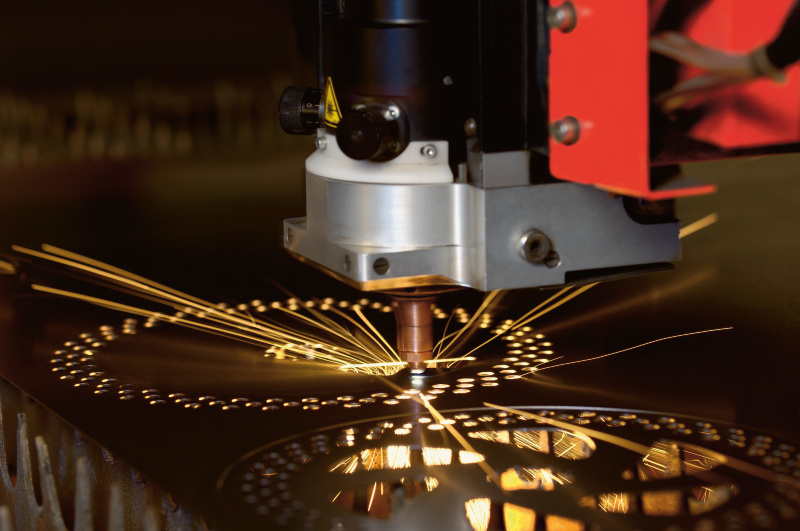
A laser takes a beam. On 29 September 2026 the TruLaser 3030 fiber product page named two leftovers that are not the same object. Remainder sheets are stock the maker’s Drop&Cut function is meant to use for later parts. The scrap skeleton is the web that still holds parts until they come out. The same page lists a working range of 3000 millimetres on the X axis and 1500 millimetres on the Y axis. That working range is the parent sheet the bed can take. It is not a keep size for every uncut island on the nest.

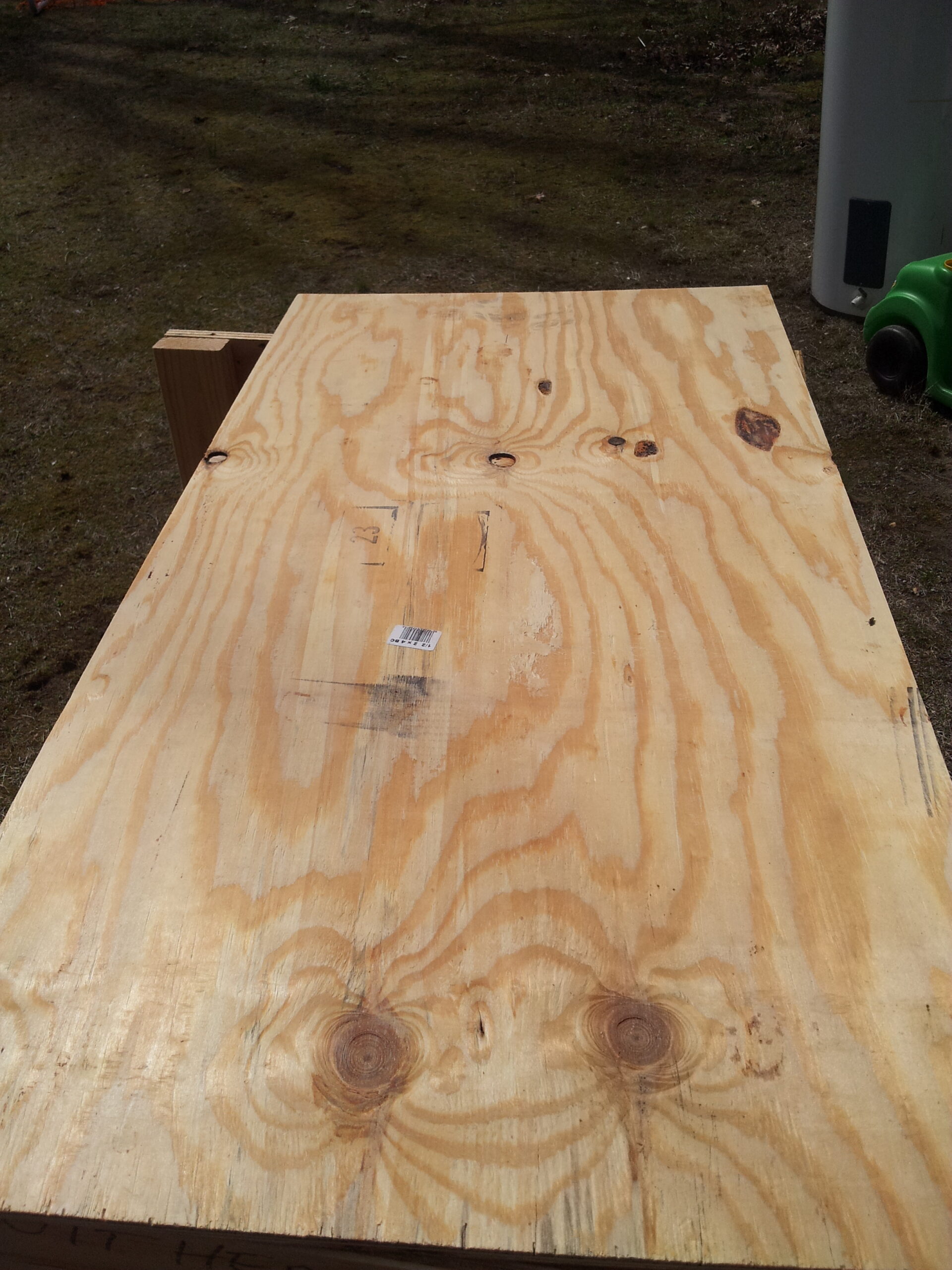
APA’s OSB page, opened the same day, states that standard OSB panels are 4×8 feet, with oversized panels available up to 8×24 feet, and that some APA-trademarked panels are produced slightly less than the traditional nominal 48 inches by 96 inches when they carry a sized-for-spacing mark. North Shore Steel lists common A36 plate sizes of 48 inches by 96 inches, 60 inches by 120 inches, and 96 inches by 240 inches. Alro’s steel plate and sheet catalog lists 48 x 96 among the sheet sizes it stocks, including 16 gauge by 48 x 96. Those figures describe the sheet you buy. They do not describe the leftover after the parts are cut.
The Institute of Scrap Recycling Industries specification for No. 1 bundles, item code 208, effective 14 July 2022, includes skeleton scrap with new black steel sheet scrap and clippings, compressed or hand bundled to charging box size and weighing not less than 75 pounds per cubic foot. That grade is how skeleton is sold to a mill. It is not a shop instruction to throw every web in the same bin as a solid remainder.
The pieces you can point to on the table are the blade or the nozzle, the sheet edge, the solid remainder that still looks like a plate, the skeleton, and the thin strip along a clamp or a trim.
Why a repeat job splits leftover from scrap
A first job can hide the difference. One leftover rectangle leans on the rack and looks like stock. A repeat job asks a harder question: will that rectangle be nested again, or will every new order open a full 48 by 96.
That is not the same loss as the skeleton on the job that just ran. The skeleton is already gone as parts stock. The solid remainder is gone only if the next nest cannot use it. A planner who always starts a new full sheet is choosing to count every remainder as scrap, even when another part would fit.

A bar, a pipe, or an extrusion wastes length: the cutoff between pieces and the end that is too short to finish. A sheet leftover wastes area. Do not treat a two-inch web on a plate as if it were a two-foot drop on a bar. The bar drop can still make a short piece. The web cannot take a nested blank.
On a prototype, the next part may be unknown, so a large remainder is worth labeling and holding. On a production run of the same nest, the leftover size is known before the first sheet is cut. If the nest never returns to that remainder, write that choice on the quote. Yield that saves the offcut for the next job is a different number from yield that throws every remainder away.
What to check on the remainder before the next nest
On 29 September 2026 these pages were open: APA’s OSB specification page for the 4×8-foot standard panel and the 48 by 96 inch nominal size; North Shore Steel’s structural plate page for 48 by 96, 60 by 120, and 96 by 240 inch A36 plate; Alro’s plate and sheet catalog for 48 x 96 sheets; Diablo’s D0724X3 listing for the 0.059 inch catalog kerf on a blade that names plywood; TRUMPF’s TruLaser 3030 fiber page for remainder sheets, the scrap skeleton, and the 3000 by 1500 millimetre working range; and ISRI’s current specs for item 208 and item 231.
On the remainder itself, measure the usable width and length inside the true outline. Do not use a bounding box that still includes holes from the last nest. Record the material, the thickness, the process, and the machine next to any width you write down. If one of those four is missing, leave the keep size blank.
On the nest, confirm that the next part fits with the slot and the edge. A catalog kerf is a starting figure for that blade or that machine. It is not the coupon.
On the quote, say whether leftovers are booked back as stock or written off as scrap. A quote built only on finished part area understates the stock that had to be bought if every remainder is dumped.
Keep the offcut or send it to scrap
The decision this topic turns on is keep the offcut or scrap it.

Keep the piece when another part of the same grade and thickness fits on the usable remainder after the slot and the edge. Label grade, thickness, and the two usable dimensions. Store it where the next nest will actually find it.
Scrap the piece when the usable width or length is smaller than that next part plus the slot, when the leftover is only skeleton, or when the shop cannot prove the grade and thickness next week.
Do not call every remainder free stock. An unlabeled pile of mixed leftovers is not a remnant inventory. It is a future scrap sale with extra handling.
If the next job is a different alloy, a different thickness, or a different process, the leftover from this job is not stock for that job. Thickness changes the slot even when the material name stays the same. Measure again.
A scrap-trade size is not a remnant keep size
ISRI item 231, Plate and structural steel, 5 feet and under, effective 14 July 2022, is cut structural and plate scrap: not less than one-quarter inch thick, not over 5 feet in length and 18 inches in width, with phosphorus or sulphur not over 0.05 percent. That is how plate scrap is prepared for a furnace charge. It is not the smallest piece a shop should keep. An 18-inch-wide remainder of quarter-inch plate can still hold many parts. Copying the scrap-trade maximum onto the remnant rack throws away stock. Copying a shop keep size onto an ISRI ticket misgrades the load.
The mistake that poisons the repeat-job count
The harmful mistake is to treat every leftover as free stock, or to dump every remainder as scrap, without measuring the next part against the usable leftover. Both poison the repeat-job count. The first understates the sheets you still have to buy. The second overstates waste and fills the floor with unlabeled pieces that will be sold as scrap because nobody can prove what they are.
Read next: What trim, the skeleton, and the edge margin cost on a sheet · How a bar, a pipe, or an extrusion wastes length instead of sheet area